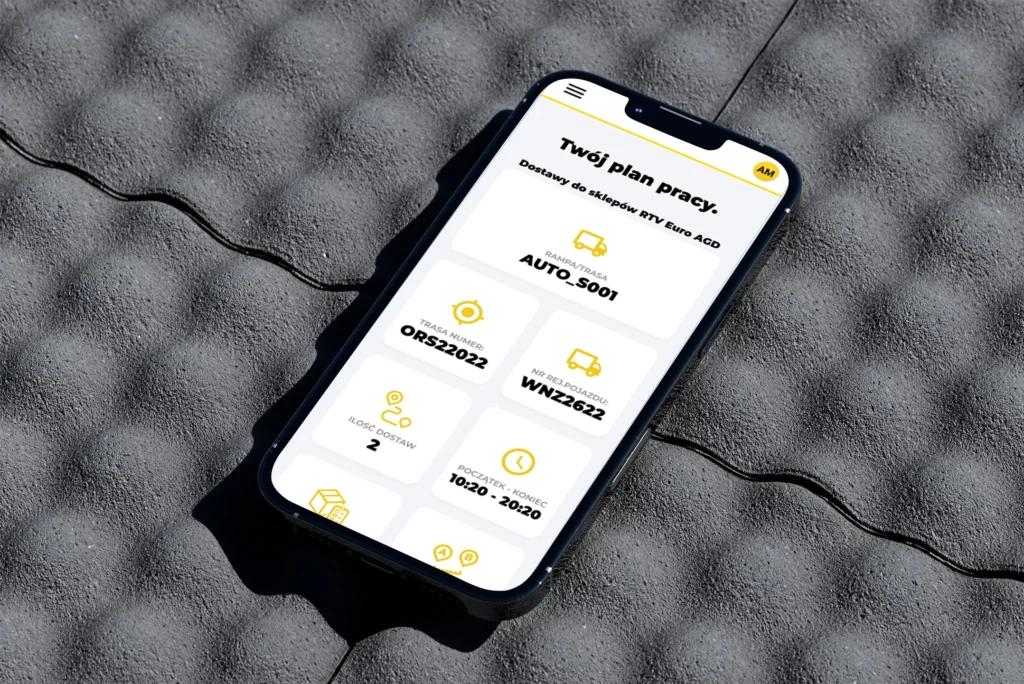
We transformed a struggling logistics and payment app into a fast, stable, and user-friendly tool that works seamlessly even on legacy devices.
Time
Technology
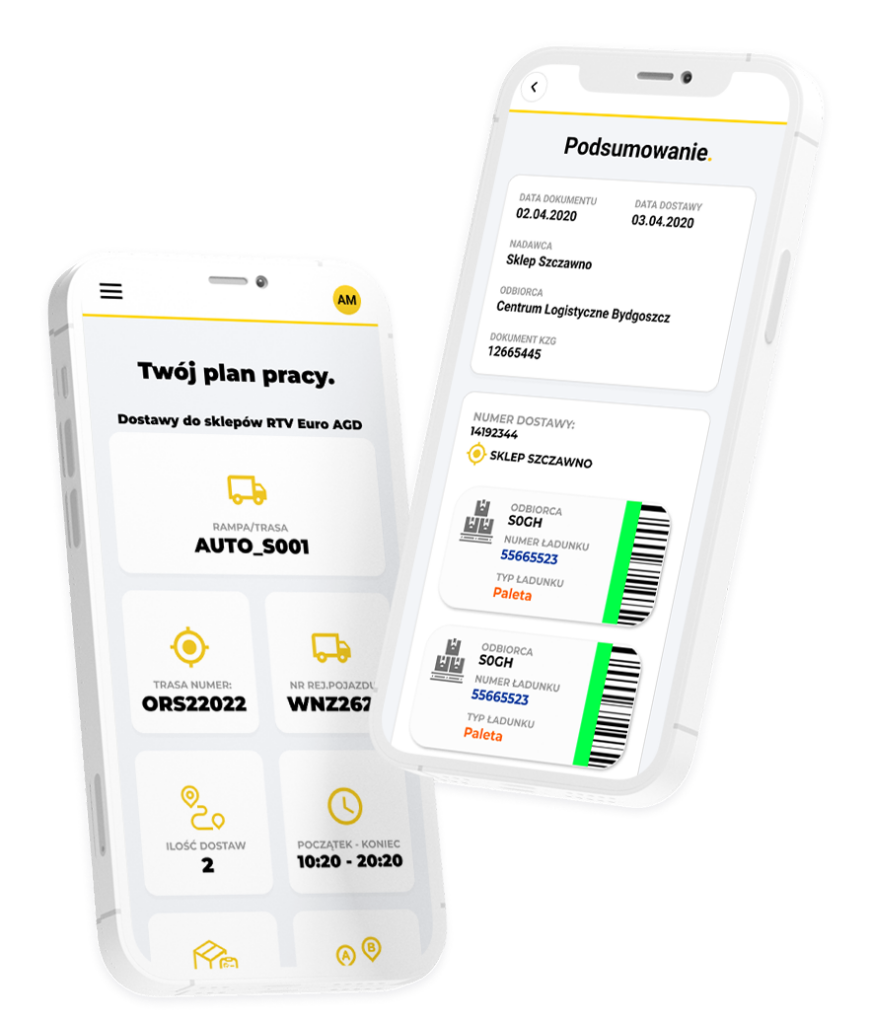
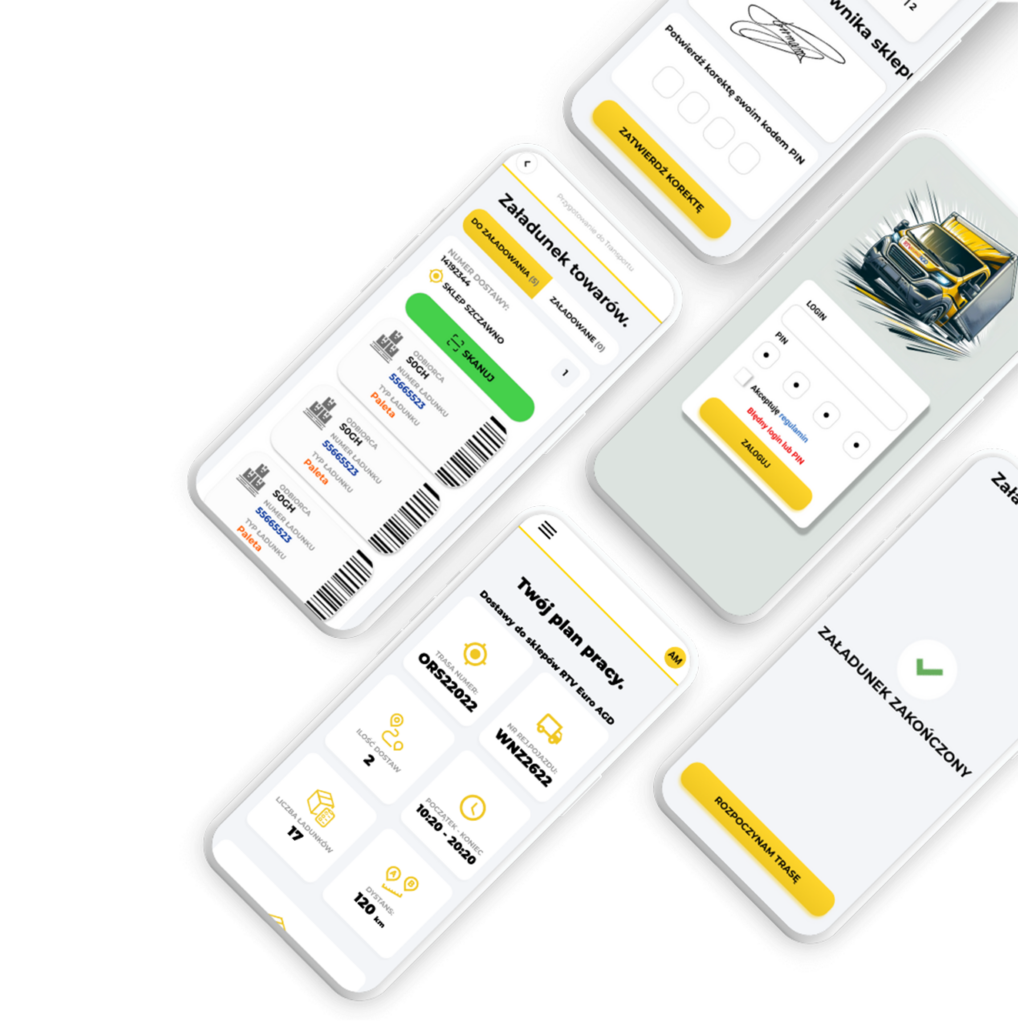
We rebuilt a custom logistics and payment solution tailored to the everyday challenges of couriers in the field. From real-time delivery documentation to stable NFC transactions, the app was optimized for performance, usability, and compatibility with legacy devices – all while ensuring a smooth user experience under real-world conditions.

Originally designed to simplify logistics and payment workflows. Users experienced long loading times, delays when switching between views, and recurring problems with uploading photos or capturing customer signatures.
The situation was further complicated by poor performance on older handheld devices like Zebra and Honeywell, which were still widely used by the delivery teams. A key objective was to integrate NFC-based payments directly into the app, replacing traditional card terminals and enabling faster, contactless transactions. However, the payment functionality proved unstable in practice. Under the hood, the app’s codebase suffered from outdated libraries, duplicated logic, unnecessary components, and frequent minor bugs – all of which added up to a significant loss in reliability and
To regain control, we began with a comprehensive audit of the codebase. The analysis revealed numerous inefficiencies – from obsolete libraries and inconsistent naming patterns to redundant structures. After streamlining the code and eliminating technical debt, we laid the foundation for long-term maintainability and improved performance.
Next, we focused on fixing and stabilizing the NFC payment feature. We ensured smooth integration with major payment services, including Blik and standard card providers, with a particular focus on compatibility with older Android systems.
The app was thoroughly tested and adjusted to run efficiently on Zebra devices, including necessary updates to the Android SDK and custom hardware testing. To boost overall performance, we introduced key optimizations. Enabling the Hermes engine reduced memory usage and significantly accelerated launch times. Enhancements in image handling, screen navigation, and UI responsiveness directly improved the experience for users working in dynamic, field-based conditions.
After the update, the application saw dramatic improvements in both speed and stability. Login times were reduced by 95%, while the number of user-reported issues dropped by over 80%. Image uploads, signature capture, and payment flows now work seamlessly – even on older hardware. These changes translated into tangible operational benefits. Couriers can complete deliveries and transactions more efficiently, without delays or workarounds. The app now performs reliably under pressure, reducing the burden on support teams and lowering the overall cost of operations. What began as a struggling tool is now a scalable, business-critical solution that meets the needs of its users – in the warehouse, on the road, and at the customer’s door.